The Moment I Decided to Learn Python Online
Six months ago, I hit a wall. My spreadsheet skills were decent, my data analysis workflow was fine — but every job posting I wanted kept listing Python as a requirement. Not optional. Required.
So I did what any reasonable person does. I opened twelve browser tabs, read a bunch of Reddit threads, got overwhelmed, and closed my laptop.
Productive? Nope.
A week later, I tried a different approach. Instead of researching endlessly, I picked three platforms that kept showing up in every recommendation thread — Codecademy, freeCodeCamp, and Udemy — and gave each one a genuine shot. I spent a few weeks with each platform, working through their Python curriculum, taking notes on what clicked and what didn't.
Here's what actually happened.
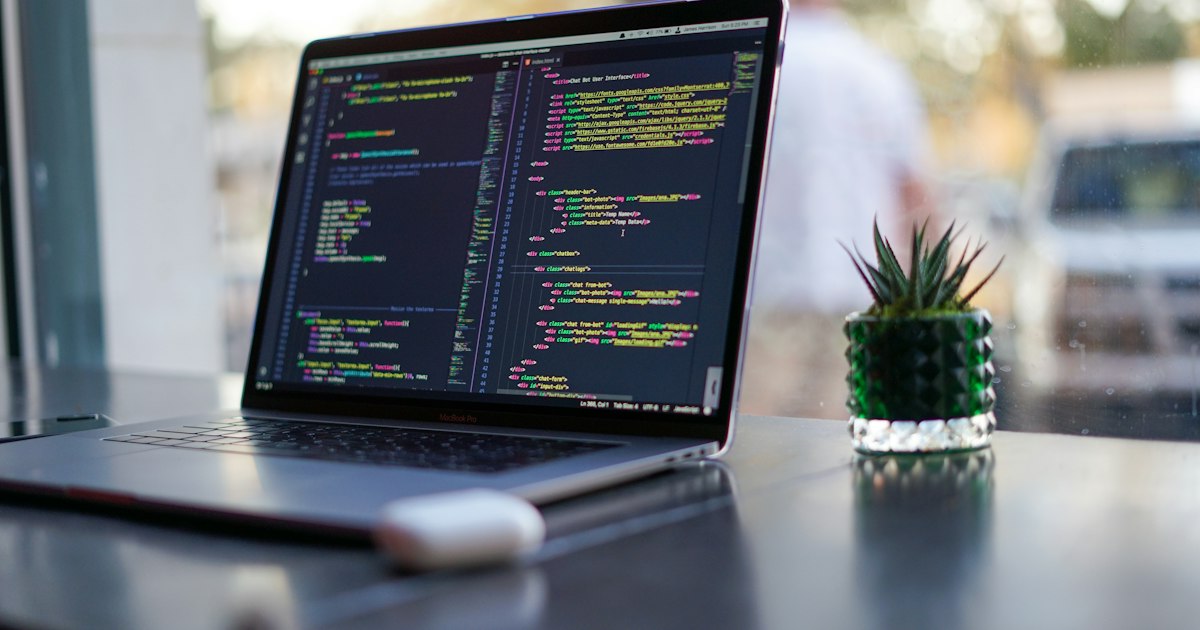
Before: What I Knew Going In
I'll be real — I wasn't starting from absolute zero. I'd tinkered with HTML, understood what variables were, and could write a basic formula in Google Sheets. But actual programming? Writing functions, working with loops, building something from scratch? That was foreign territory.
My goal was specific: learn enough Python to automate repetitive tasks and handle basic data analysis. I wasn't trying to become a machine learning engineer. I just wanted to stop copying and pasting data between spreadsheets like it was 2005.
With that context, I started with Codecademy.
Platform 1: Codecademy Python — Smooth Start, Frustrating Paywall
Codecademy's onboarding is genuinely impressive. You sign up, pick Python, and within two minutes you're writing actual code in their browser-based editor. No installation. No environment setup. No "first, let's spend 45 minutes configuring your IDE."
That matters more than people think. I've abandoned courses before because the setup instructions didn't match my operating system. Codecademy eliminates that friction completely.
The lessons are bite-sized. Each concept builds on the previous one. The interactive exercises force you to type code rather than just read about it. Honestly, for the first few days, I was hooked.
Then I hit the paywall.
The free tier covers basics — variables, control flow, some functions. But the projects, quizzes, and intermediate content? That's Codecademy Pro territory, running about $35/month (or less on an annual plan). I tried the free content first, but the best Python course material on the platform sits behind that subscription.
What Worked on Codecademy
- Zero-setup coding environment — start writing Python in your browser instantly
- Clear, progressive lesson structure that doesn't overwhelm
- Instant feedback on every exercise
- The "cheatsheets" after each module are actually useful reference material
What Didn't
- Free tier feels like a demo — the real learning is behind Pro
- Projects felt somewhat artificial, disconnected from real-world use cases
Not great, not terrible. The guided hand-holding is perfect for absolute beginners, but I found myself wanting more depth after the first couple weeks.
Platform 2: freeCodeCamp Python — Rough Edges, Real Results
Switching to freeCodeCamp felt like moving from a polished resort to a rugged hiking trail. Less pretty. More substance.
Here's the thing — freeCodeCamp is entirely free. No premium tier. No "upgrade to unlock." The whole curriculum, including their Python certification, costs exactly zero dollars. That alone makes it worth serious consideration if you want to learn Python online without spending money.
The freeCodeCamp Python curriculum is structured around their Scientific Computing with Python certification. You watch video lectures (mostly contributed by instructors), work through challenges, and build five certification projects. The projects are where freeCodeCamp really separates itself from the pack.
I built an arithmetic formatter, a time calculator, a budget app, a polygon area calculator, and a probability calculator. These aren't toy exercises. They require you to think through logic, handle edge cases, and write actual functions that do real things.
The downside? The learning experience is rougher. Video quality varies. Some explanations assume knowledge you don't have yet. The forum community is helpful, but you'll spend time searching for answers that Codecademy would have spoon-fed you.
What Worked on freeCodeCamp
- Completely free — no hidden costs, no premium paywall
- Certification projects that actually build problem-solving skills
- Active community forum where real humans answer questions
- Portfolio-ready projects you can show to employers
- Regular curriculum updates
What Didn't
- Video quality is inconsistent across different sections
- Some gaps between what's taught and what projects expect you to know
- The interface is functional but not particularly modern
From my experience, freeCodeCamp demands more self-direction. If you can handle that, the payoff is real.
Platform 3: Udemy — Hit or Miss, But the Hits Are Good
Udemy is a marketplace, not a curriculum. That's the most important thing to understand about it. The quality of your experience depends entirely on which course you pick.
I went with one of the top-rated Python courses (I'd rather not name the specific instructor since course quality changes with updates). Paid about $15 during one of Udemy's frequent sales — and look, if you're paying full price on Udemy, wait a week. Sales happen constantly.
The course I tried was video-heavy. Long lectures, coding along with the instructor, occasional exercises. The production quality was high. The explanations were clear. After spending some time with it, I understood concepts like object-oriented programming and file handling better than I had on either of the other two platforms.
But here's where Udemy falls short: passive learning. Watching someone code is not the same as coding yourself. I caught myself zoning out during longer lectures, nodding along without actually absorbing anything. When I tried to build something on my own afterward, the gaps in my understanding were obvious.
The other issue — no structured path. Once you finish one course, there's no "here's what to take next" recommendation system that actually works. You're back to browsing, reading reviews, hoping the next course is as good as the last one.
What Worked on Udemy
- Deep, thorough video explanations of complex topics
- One-time purchase — no recurring subscription
- Lifetime access to course material (good for reference)
What Didn't
- Passive video format makes it easy to zone out
- Quality varies wildly between courses — choosing wrong wastes time and money
- No built-in coding environment
- No structured learning path beyond a single course

Side-by-Side Comparison
| Feature | Codecademy | freeCodeCamp | Udemy |
|---|---|---|---|
| Price | Free tier / Pro ~$35/mo | 100% Free | ~$12–20 per course (sale price) |
| Format | Interactive browser exercises | Videos + certification projects | Video lectures + exercises |
| Python Certification | Pro only | Yes (free) | Certificate of completion |
| Hands-On Practice | Strong (guided) | Strong (self-directed) | Moderate (instructor-led) |
| Community Support | Pro forums | Active free forum | Course Q&A sections |
| Coding Environment | Built-in browser IDE | Replit / local setup | None (use your own) |
| Learning Path | Structured curriculum | Structured certification track | Individual courses only |
| Best For | Complete beginners wanting guidance | Self-motivated learners on a budget | Learners who prefer video explanations |
| Winner | freeCodeCamp |
After: What Actually Changed
After working through all three platforms, I can now write Python scripts that automate file operations, pull data from APIs, and handle basic data manipulation with pandas. That was my goal. Mission accomplished — mostly.
But the journey revealed something I didn't expect. The platform matters less than the practice. Seriously. The hours I spent struggling through freeCodeCamp's certification projects taught me more than any polished video lecture or guided exercise.
Real talk — I still Google basic syntax sometimes. I still forget whether it's append() or add() for lists. That's normal. The difference is that now I know enough to figure things out when I get stuck.
If you've been comparing platforms like Coursera vs Udemy, the same principle applies. The best Python course is the one you actually finish. But some platforms make finishing easier than others.
My Verdict: freeCodeCamp Wins for Most People
Spoiler alert — freeCodeCamp is my pick. Not because it's free (though that helps), but because the project-based approach builds actual skills instead of a false sense of confidence.
Codecademy is a solid second choice if you need that structured, guided experience and don't mind paying. The interactive exercises are genuinely well-designed, and the zero-setup environment removes a real barrier for beginners.
Udemy? Good for supplementing your learning with deep dives on specific topics. Bad as your primary learning platform. The passive video format just doesn't build the same muscle memory as writing code yourself.
I'd recommend starting with freeCodeCamp's Python curriculum, and if you get stuck on a specific concept — OOP, decorators, whatever — grab a targeted Udemy course on sale to fill the gap. That combo gives you the best of both worlds without a monthly subscription.
The skills from data-related certifications stack well with Python too. If you're considering the analytics route, check out whether the Google Data Analytics Certificate is still worth pursuing — Python pairs well with that credential.
Who Should Pick What
Pick Codecademy if: You're a complete beginner who freezes when faced with a blank code editor. The hand-holding is a feature, not a bug. Budget around $200/year for Pro.
Pick freeCodeCamp if: You're self-motivated, comfortable with some ambiguity, and want portfolio projects without spending money. This is where what I found most valuable — the struggle of building projects from vague specifications mirrors actual development work.
Pick Udemy if: You already have some coding background and want deep, instructor-led coverage of specific Python topics. Buy on sale. Always on sale.
Not gonna lie, there's no shortcut here. Whichever platform you choose, the real learning happens when you close the tutorial and try building something on your own. That uncomfortable feeling of not knowing what to type next? That's where growth lives.
Frequently Asked Questions
Q: Which platform is best to learn Python online for free?
freeCodeCamp is the strongest free option for learning Python online. The entire curriculum is free with no paywall, and the projects give you real practice. Codecademy has a free tier too, but the best Python content sits behind Pro.
Q: Is Codecademy Pro worth paying for to learn Python?
Codecademy Pro is worth it if you need structured, guided exercises and want to avoid decision fatigue. The interactive coding environment removes setup friction entirely. But if you learn well from videos and prefer a one-time payment, a Udemy course during a sale offers better value.
Q: Can I get a job after completing a Python course on Udemy or freeCodeCamp?
A single course alone rarely lands a job. What matters more is building projects and demonstrating skills. freeCodeCamp's project-based approach builds portfolio pieces naturally. Udemy courses teach concepts well but you will need to build your own projects afterward. Pair either with practice on sites like LeetCode or contribute to open source to strengthen your resume.